
01 / COOL
Add cooling capacity
Gel packs work with your insulation to help manage temperature in transit.
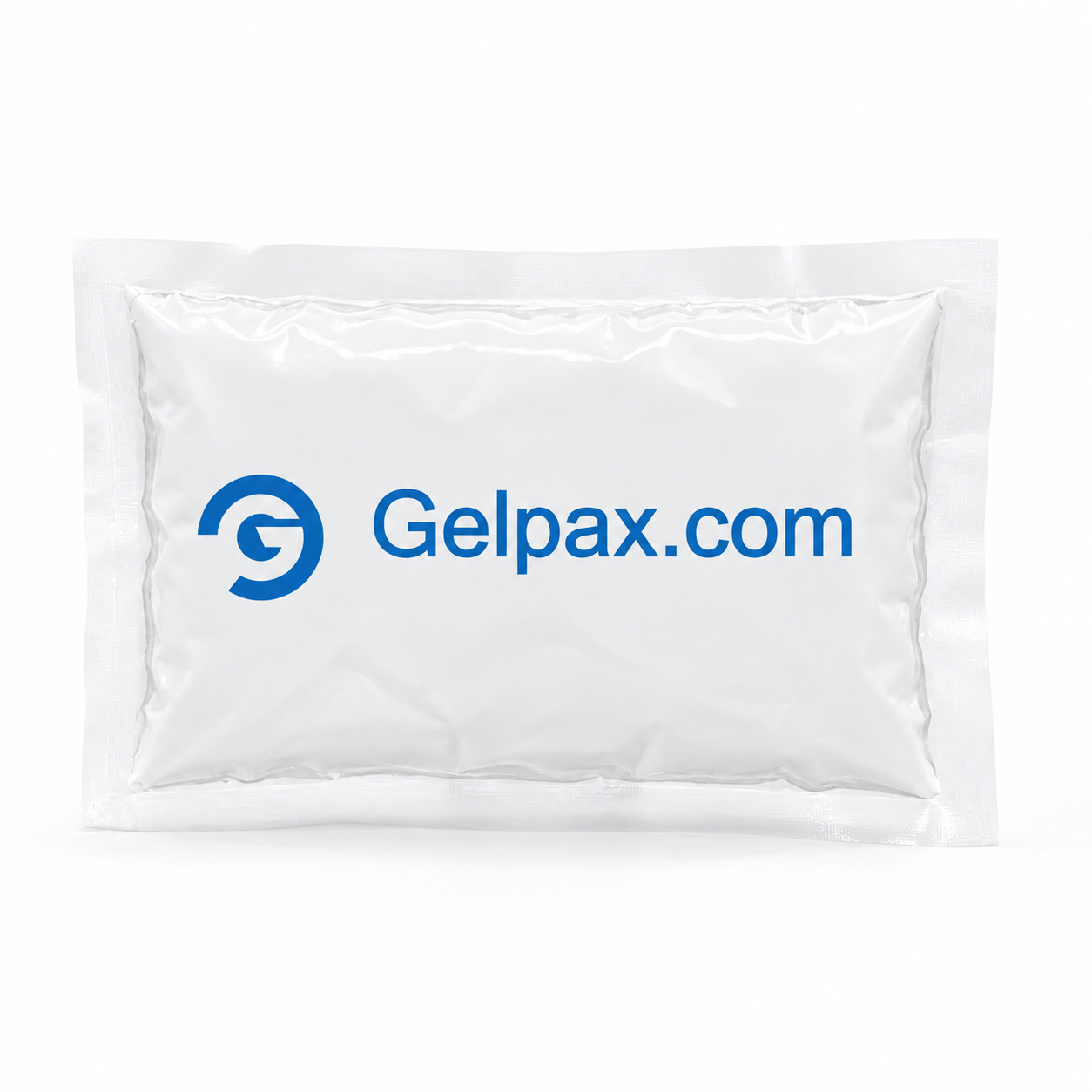 Shipping gel packs
Start with: your temperature range, transit time and pack quantity.
Supplies for parcel and pallet shipping
Shop gel packs, insulated liners, mailers, foam coolers and pallet covers. Add temperature indicators or data loggers, or ask us to help you choose the supplies for your shipment.
A simpler way to choose
Start with the job you need done.
Explore cooling, insulation and monitoring—or let us help you choose.
Gel packs work with your insulation to help manage temperature in transit.
Shipping gel packsStart with: your temperature range, transit time and pack quantity.
Find a format that fits your goods and the way you pack and ship.
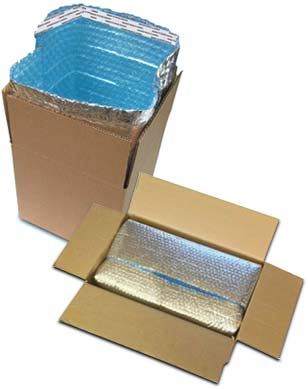 Box linersInsulation for your existing cartons
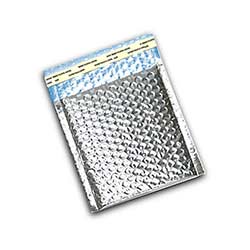 Bubble mailersA flexible format for compact goods
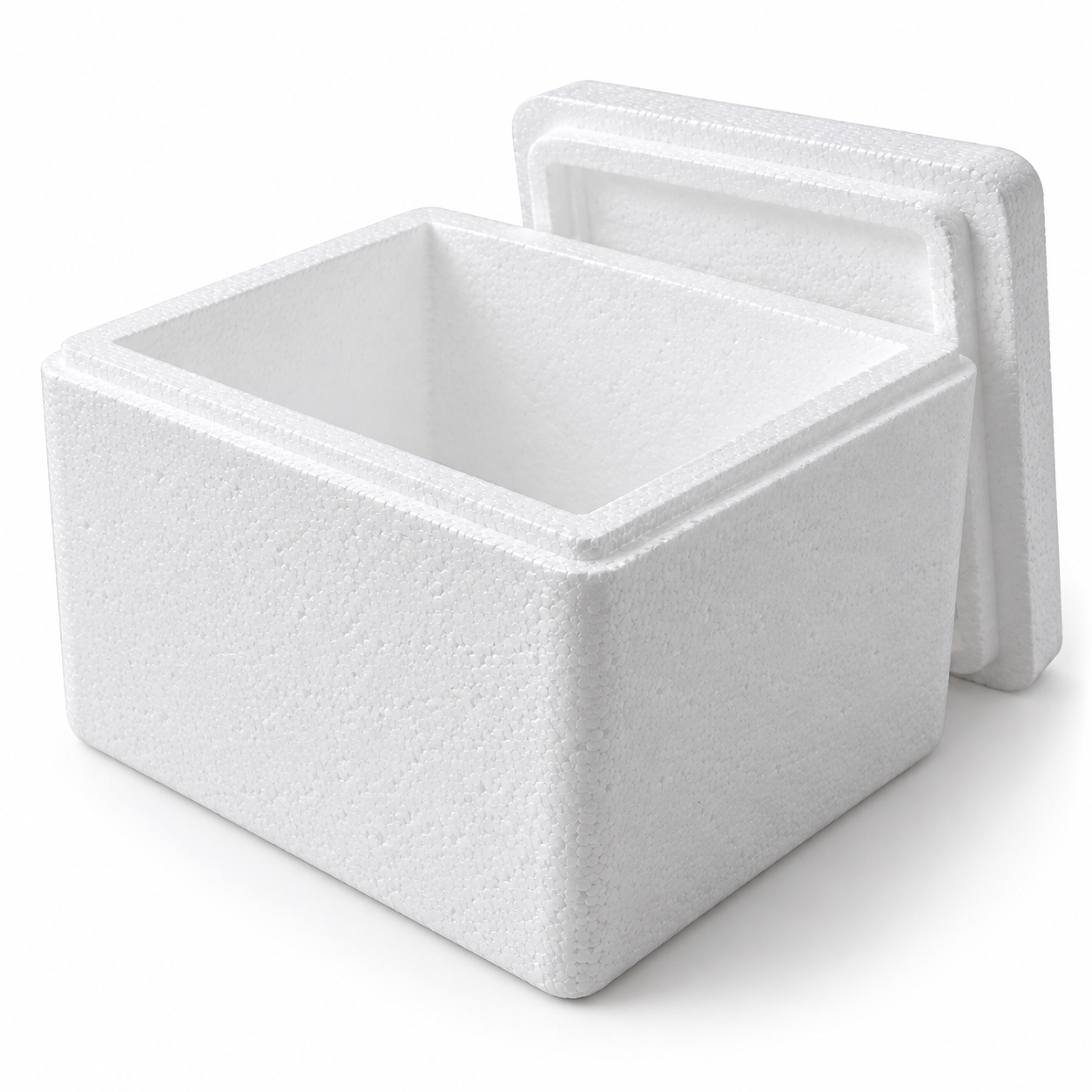 Foam coolersRigid EPS insulation for parcel shipping
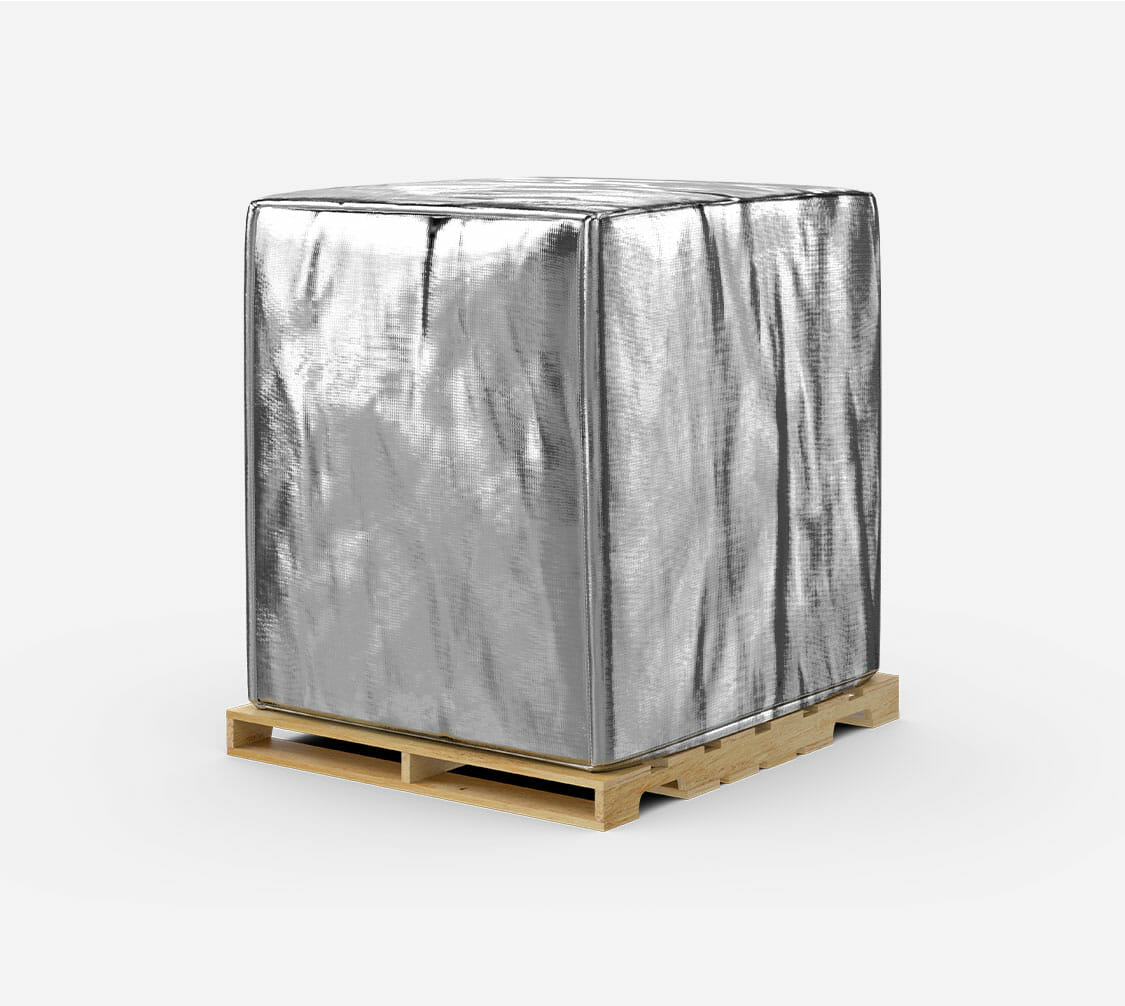 Pallet coversInsulation around a palletized load
Start with: your package dimensions or loaded pallet size.
Choose the temperature information you need when a shipment arrives.
Start with: the threshold or temperature record you need.
Tell Our Team what you’re shipping. We’ll help you compare the options and quote the supplies you need.
Monitoring products do not provide cooling. Shipment performance depends on the complete packing setup and transit conditions.
See all seven categoriesChoose a category to explore the product or request pricing. If you need several products, ask for a cold chain shipping quote below.
Refrigerant gel packs for temperature-sensitive shipments. Compare the pack size and quantity for your goods and transit time.
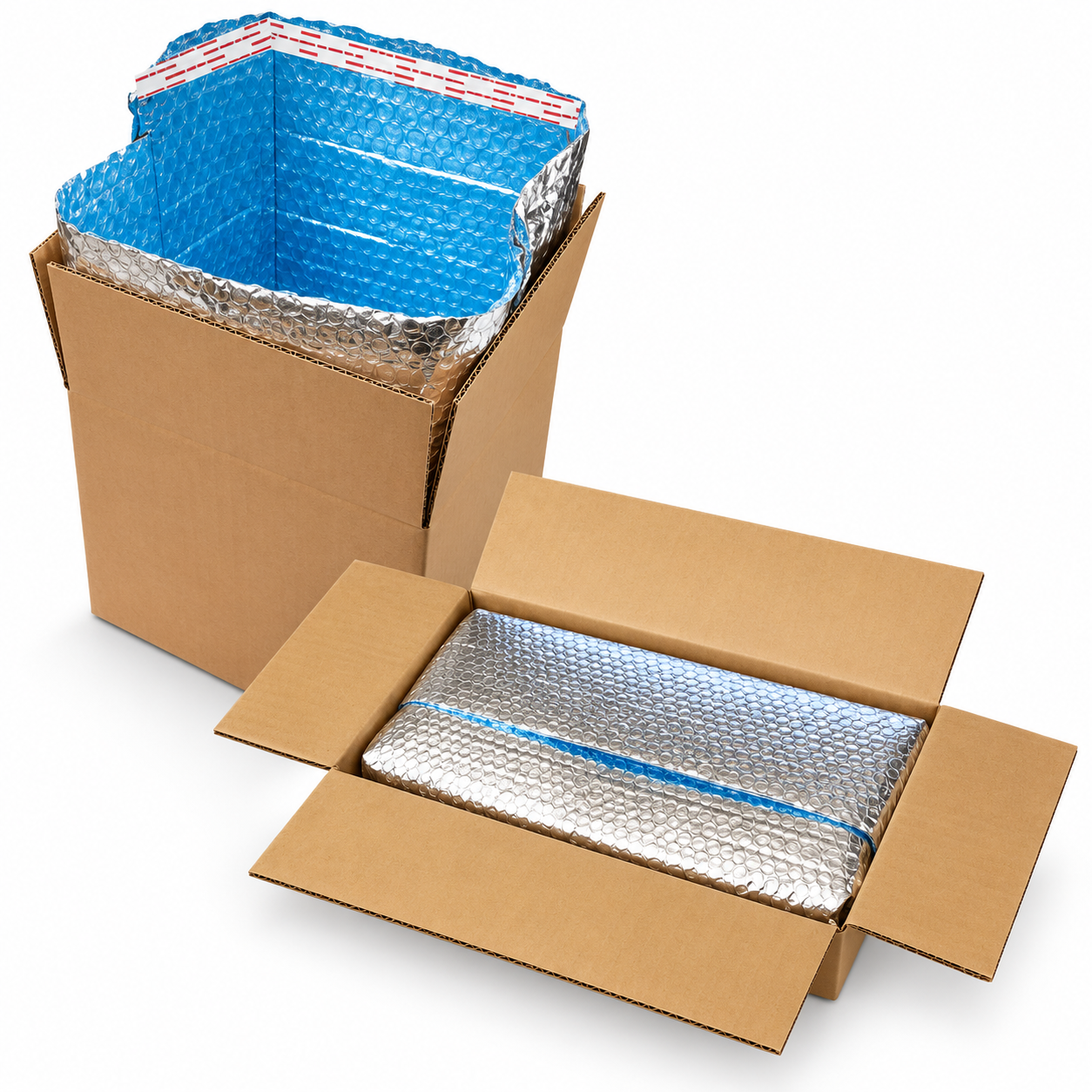
Add insulation inside your existing cartons. Choose liners around the usable space your shipment needs.
Liners shown inside example cartons. Cartons are not included.
Thermal mailers for compact shipments. Compare usable dimensions and closure options for your packing process.
EPS foam coolers for insulated shipping. Tell us your product dimensions and quantity so we can quote an available size.
Insulated covers for palletized loads during staging and transit. Select a cover around your pallet footprint and load height.
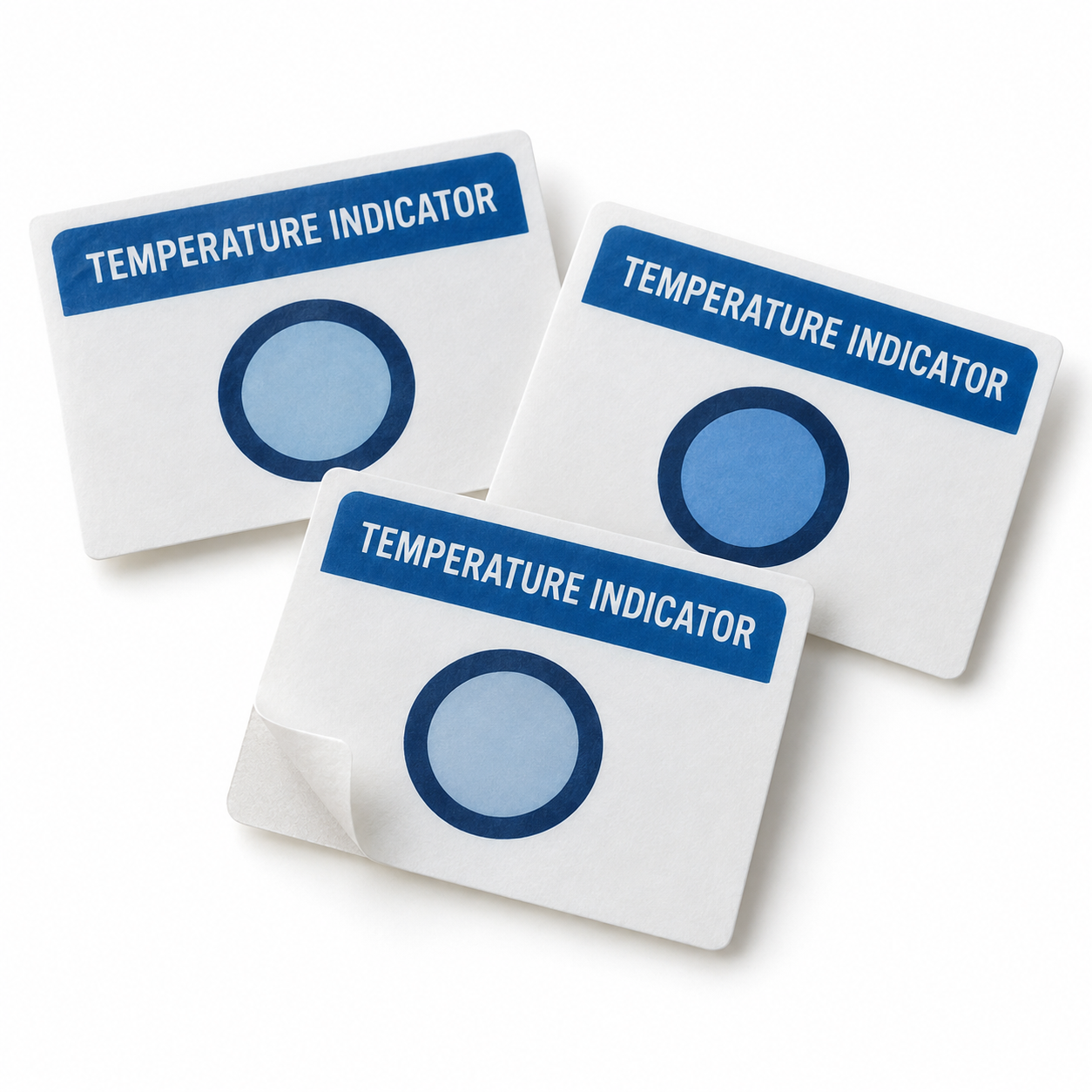
Labels that indicate specified temperature exposure. Share the threshold and receiving checks your shipment requires.
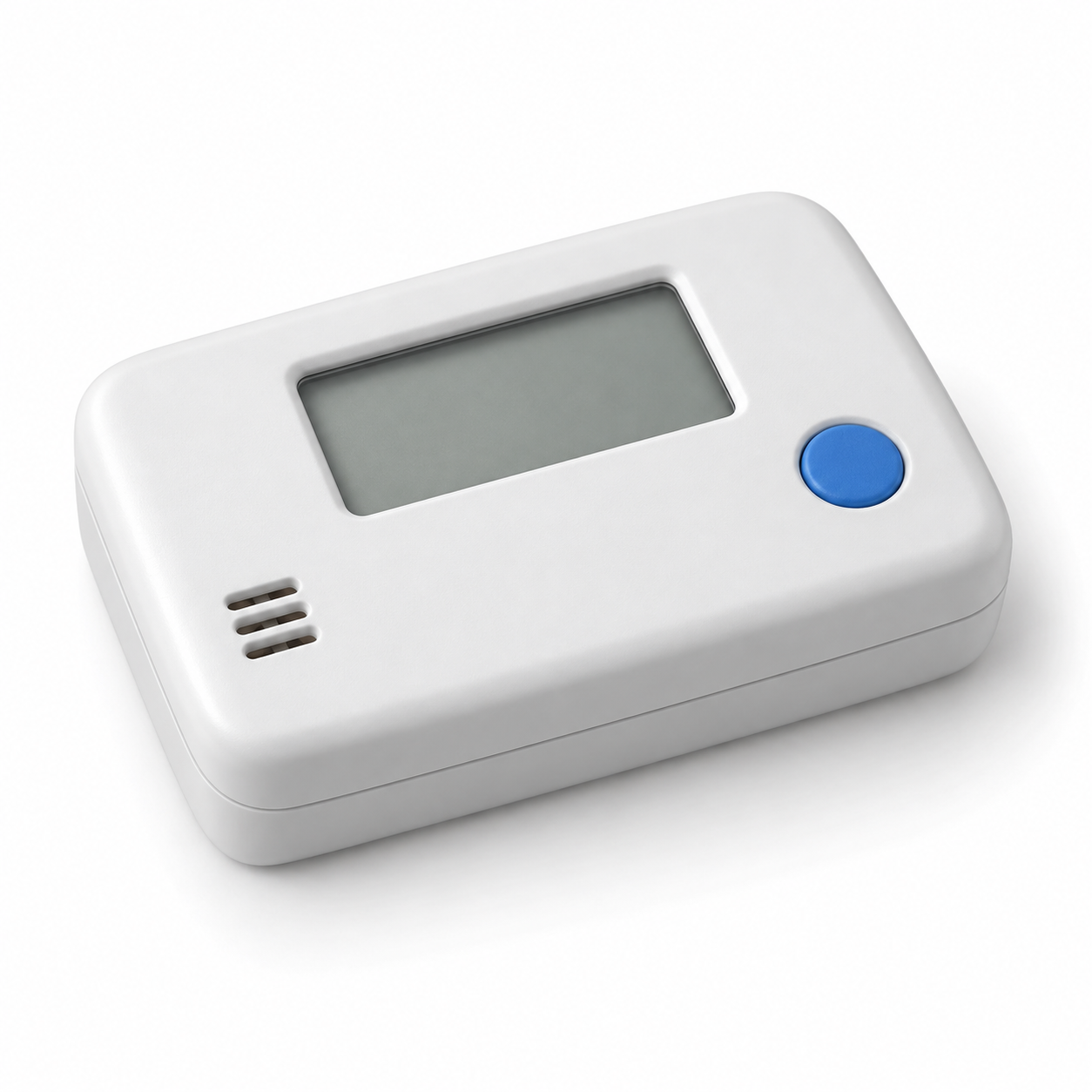
Temperature data loggers that record conditions during transit. Tell us the temperature range and journey length you need to monitor.
Gel pack, foam cooler, indicator and monitor images are product illustrations. Final appearance and specifications are confirmed in your quote.
Plan for the delivered cost
The cost of the supplies is one part of the decision. Share how you ship so we can discuss options that fit your goods, packing process and budget.
Outside dimensions and packed weight affect freight. Inside dimensions determine the room available for your goods, insulation and refrigerants.
Your required temperature range, route and time in transit help define the packing requirements. Include expected delays or handling conditions.
Tell us how much you need, where the supplies should arrive and whether you expect repeat orders. These details help us prepare delivered pricing.
Cold chain packaging solutions
Tell us which supplies you need and roughly how many. We’ll help you choose a size and send a quote with product cost, shipping and lead time.
Need a combination of products? Include the goods, delivery time and temperature requirements in your shipment notes. You can start without exact measurements.
Start with a product and quantity. If you need a combination, list the items in your notes.
We’ll confirm the sizes, specifications and any customization you need, including availability.
Review product cost, shipping and lead time before deciding what to order.
Feedback from customers of our custom gel pack range.
“I was quite cautious when first ordering from Gelpax.com because I was worried it would be a difficult process and they would be too expensive. But after I got the product and used it for orthopedic surgeries I was very happy with the quality and performance! They were also great at matching my logo colors.”
“I currently use the 3x5" Gelpax for the kids at my school when they get hurt. I absolutely love them! Especially the size and how durable they are. Not to mention the low price! I can't imagine how any ice packs could be better.”
“Here at Twin Cities Foot and Ankle, we use the 4" Round Gelpax to promote our brand. I love how they have a fabric backing on one side. It makes them much more comfortable on the skin. Their customer service is unparalleled.”
“When I first looked at the Gelpax website, I had a few questions. I called them and they immediately answered. I got my sample shortly after that and was very happy with it. I love how affordable the product is while still holding exceptional quality.”
“I loved the customization on my Gelpax. I especially liked how it's inside the pack, making it impossible to remove. I used them to treat my patients and they work really well. I'd recommend Gelpax to anyone.”
“When I saw Gelpax online I knew they were the right product for me. I use them to promote my brand and they work fantastically! Not to mention that they look great. The price is reasonable and the quality speaks for itself.”
“I chose Gelpax because of their unmatched quality. I use them to treat patients and love how they have a fabric backing on one side of the 4" round. There's nothing I would change about our Gelpax and would definitely recommend them!”
“I chose Gelpax because of their great customer service. The 3x3" works great for giving to patients post treatment. I love all the great sales and offers they have. I would recommend Gelpax to anyone looking for an easy way to promote their practice.”
“These custom Gelpax work great for treating patients while also promoting our practice. I love how small the 3x3" is, it really looks nice. I can't think of anything I would change about this awesome product!”
“Being in Alaska it was really important that I had a cost effective way to get the Gelpax here. Brooke worked with us to make sure that the shipping was affordable. We use the Gelpax for post injection care for our patients. They seem to love how comfortable the 4" round is on the skin.”
“Here at Janiga MDs, we decided to go with the 3x5" Gelpax for treating our patients because we really liked how nicely made the product is. We are totally satisfied with our choice and wouldn't change anything about our Gelpax.”
“We went with Gelpax because of the price of their 6x10" packs. We love using them to hand out to our new patients as part of their first exam/appointment. Not to mention how cool it is to have my own image on the front of it.”
Start with the goods, package size and transit time. Liners, mailers, foam coolers and pallet covers provide insulation. Shipping gel packs add cooling capacity. Indicators and data loggers help you check temperature exposure.
Holding time depends on the complete packing configuration and shipping conditions. Share your required temperature range so we can discuss suitable specifications. Pharmaceutical shipments need your qualification and validation process.
Shipping gel packs, insulated box liners, insulated bubble mailers, EPS foam coolers, thermal pallet covers, temperature indicator labels and shipping temperature monitors.
Yes. Choose help selecting supplies and add the products you need in your shipment notes. We’ll review quantities, specifications, shipping and lead time together.
Yes. Request a foam cooler quote with an approximate quantity. Internal dimensions and details of your goods help us identify the size you need.
Start with the product category, an approximate quantity and your contact details. You can add dimensions, delivery location, timing and temperature requirements as you have them.
Product size, material, quantity and freight all contribute to the quote. Share your delivery ZIP and timing so we can include shipping and lead time.
Ask Our Team about sample availability for the products you are considering. Sample cost and delivery timing will be confirmed before you proceed.
Yes. Tell us the dimensions, quantities and packing requirements you need. We’ll review available options and confirm the scope of customization in your quote.
Shipping refrigerants are selected for a packaging configuration. Custom therapy and promotional packs are a separate product range.
Choose your supplies or tell us what you’re shipping.
Arrange weekly, monthly or as-needed deliveries of your cold-chain shipping supplies anywhere in the United States. Share your expected usage and delivery ZIP so we can quote the quantity, freight and schedule for your business.
Food delivery teams, perishable-product businesses and pharmaceutical shipping teams can plan replenishment around their packing process. Product specifications and the delivery schedule are confirmed with your quote.